
The short answer
A heat pump replaces both your air conditioner and furnace with one electric system that cools in summer and heats in winter. For Los Altos Hills homes, we size it to your house, check your electrical panel and ductwork, and confirm current BayREN or clean energy provider incentives before you commit.
If you live in Los Altos Hills and are weighing what to do about an aging furnace or air conditioner, a heat pump deserves a close look. One electric system handles both cooling and heating, and it lines up with where Bay Area appliance rules are heading. CoolForce AC Repair installs heat pumps in homes across the 94022 ZIP code from our base in San Jose, about 16 miles southeast of town. This page covers what matters most for homes here: how we size the system, the electrical and duct questions we answer before quoting, and how current rules and incentives actually apply to you.
Why Heat Pumps Suit the Climate Here
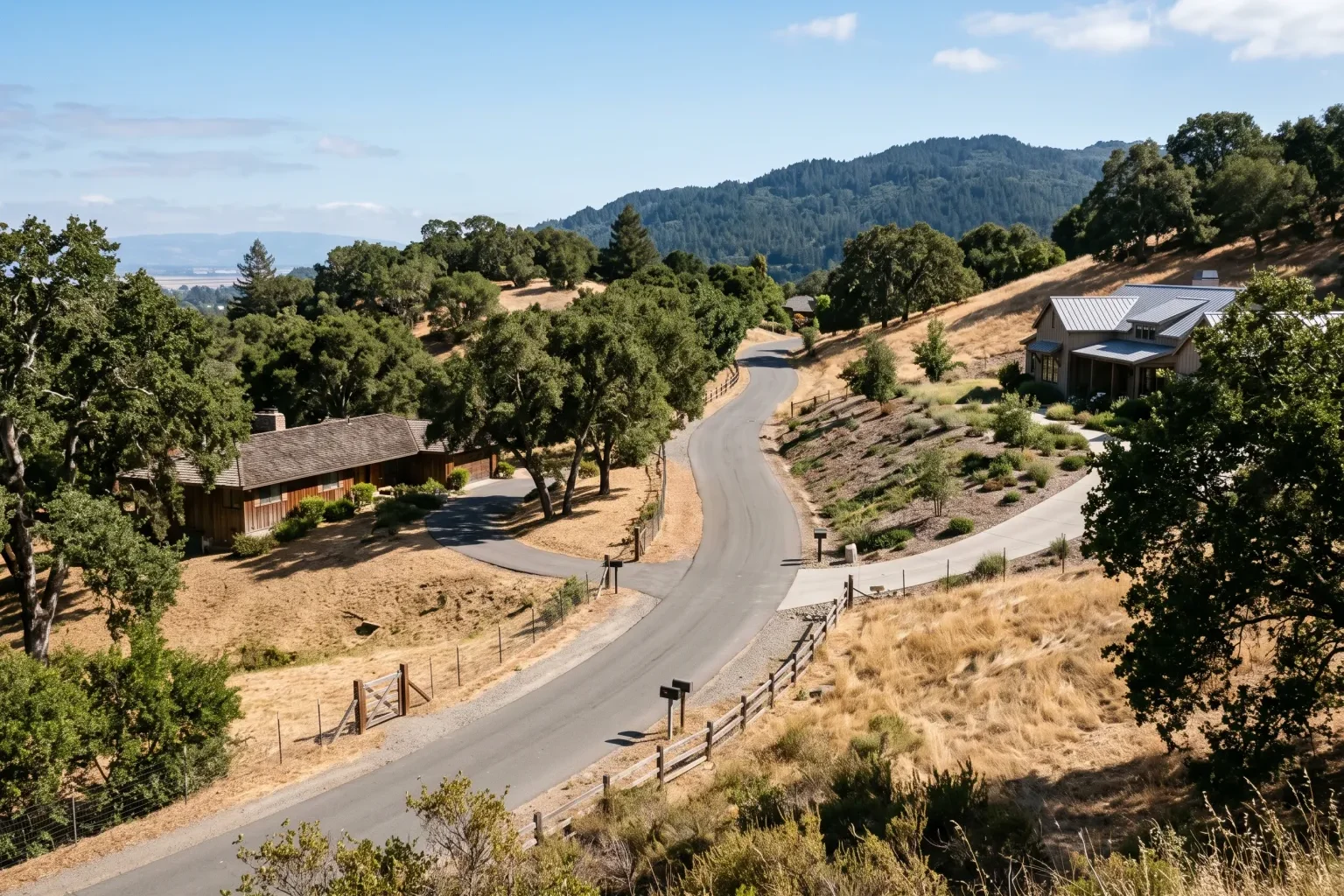
Los Altos Hills sits in the Santa Clara Valley, which has a Mediterranean climate: dry summers and mild, damp winters. That pattern plays to a heat pump's strengths. Winter nights here rarely demand the kind of heating that pushes a heat pump to its limits, so the system can warm your home efficiently for most of the season.
Summer is where sizing matters. Inland and southern parts of the valley run noticeably hotter than areas near the Bay, and homes with large west-facing windows or lots of sun exposure can gain heat quickly in the afternoon. A properly sized heat pump keeps up on those days without short cycling the rest of the year.
What We Check Before Recommending a System
Homes in Los Altos Hills vary widely in size, age, and layout, so we don't pick equipment based on square footage alone. Before we recommend anything, we walk through the house and look at the factors that decide whether a heat pump will perform well.
- A room-by-room load calculation that accounts for windows, insulation, ceiling height, and sun exposure
- Electrical panel capacity, since a heat pump may need a dedicated circuit or a panel upgrade, especially if you also plan an EV charger or electric water heater
- Duct condition, sizing, and leakage, because older ducts built for a furnace may need repair or changes to deliver proper airflow
- Outdoor unit placement, with attention to noise near bedrooms and neighbors, drainage, and service access
- Your current thermostat and any zoning, so the new system controls comfort the way you actually live in the house
Ducted, Ductless, or a Mix
If your home already has ductwork in good shape, a ducted heat pump that replaces your furnace and AC is usually the most direct path. It uses the same vents you have now and keeps equipment out of sight.
Ductless mini-splits make sense for homes without ducts, for additions, converted garages, home offices, or guest quarters that the main system never reached well. Some larger homes end up with a combination: a ducted system for the main living areas and one or more ductless heads for spaces that run hotter or colder than the rest of the house. We lay out the options and the tradeoffs so you can choose what fits.
How Local Rules and Incentives Apply
Under Bay Area Air District Rule 9-4, natural gas furnaces manufactured from 2029 must meet a zero-NOx emission standard. In practice, that points homeowners toward heat pumps when a furnace is replaced after that date. The rules do not require you to replace working equipment; they apply only when an existing furnace or water heater fails or is replaced. Some homeowners choose to switch now on their own schedule rather than wait for an emergency.
On incentives, be aware that the federal Energy Efficient Home Improvement Credit (25C) covered qualifying heat pumps placed in service before December 31, 2025, and is not available for new installations after that date. Bay Area homeowners can still check BayREN and their local clean energy provider for heat pump and electrification incentives. Amounts and availability change by funding cycle, so we confirm the current offer before including it in any quote.
If you are also thinking about a heat pump water heater, the zero-NOx date for small water heaters under Rule 9-6 was set for 2027, and the Air District Board is considering amendments in November 2026 that could delay it. Check the current rule before planning that replacement.
What Installation Looks Like
Once you approve a plan, we schedule the work and explain each step in advance so there are no surprises.
- Remove the old furnace, air conditioner, or both, and prepare the equipment locations
- Set the outdoor unit on a level pad or bracket and install the indoor air handler or ductless heads
- Run refrigerant lines, condensate drainage, and electrical connections
- Seal or modify ductwork as identified during the assessment
- Start up the system, verify refrigerant charge and airflow, and walk you through thermostat settings
More services in Los Altos Hills
- AC Repair in Los Altos Hills
- Heating Repair in Los Altos Hills
- AC Installation in Los Altos Hills
- Furnace Repair in Los Altos Hills